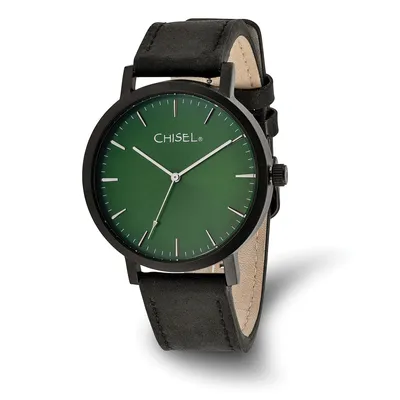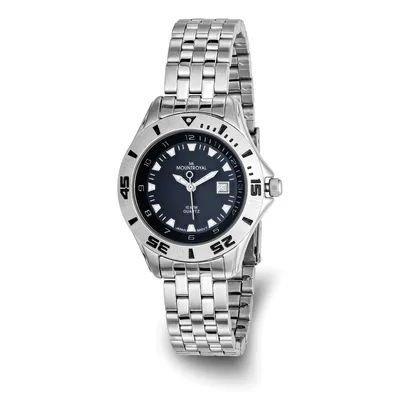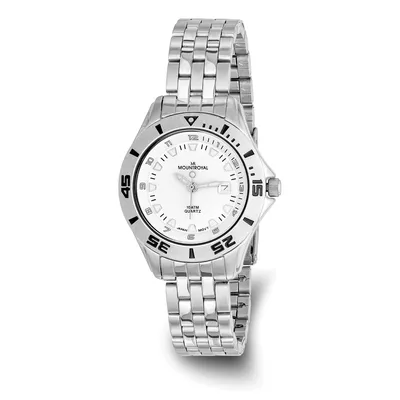
The short answer
Measure around your wrist, then look for a case that sits flat, with the lugs staying inside the edges of your wrist. As a starting point, wrists under 6.5 inches often suit cases up to about 40 mm, and larger wrists can wear 40 mm and up.
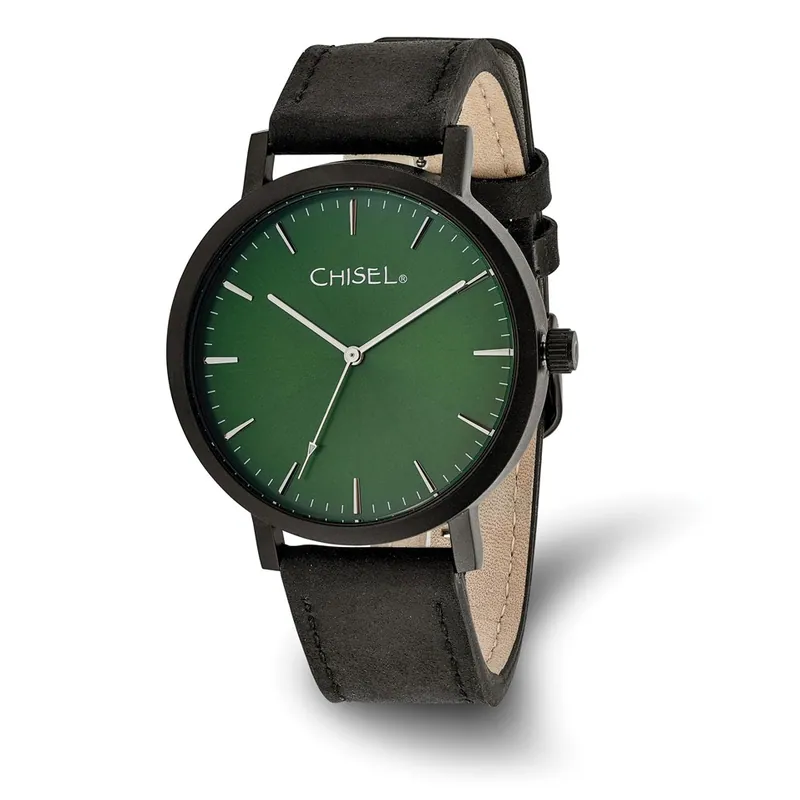
Measure your wrist
- Wrap a soft tape measure around your wrist, just above the wrist bone. A strip of paper and a ruler work too.
- Keep it snug but not tight, and note the length in inches.
- Look at the top of your wrist in a mirror, because that flat area is where the watch sits.
Check these two numbers
Case width is the distance across the watch, not counting the crown, and it's the number most listings give. Lug-to-lug length runs from the top of the case to the bottom, where the strap attaches. It often matters more for fit, because lugs that hang past your wrist make a watch look too big, whatever its width.
| Wrist size | A good place to start |
|---|---|
| Under 6.5 in | Up to about 40 mm |
| 6.5 to 7.5 in | About 38 to 44 mm |
| Over 7.5 in | About 42 mm and up |
These are starting points, and personal taste counts for a lot. Some people like a slim dress watch on a large wrist, and others like a bold case on a small one.
Other things that change the fit
- Case thickness: a thin case slides under a shirt cuff more easily.
- Dial color: white and silver dials can look a little larger than black ones of the same size.
- Strap: a leather strap tends to feel lighter than a metal bracelet, and a metal bracelet may need links removed.
If you're not sure, our returns page explains how to send a new, unworn watch back within 30 days of delivery.