The short answer
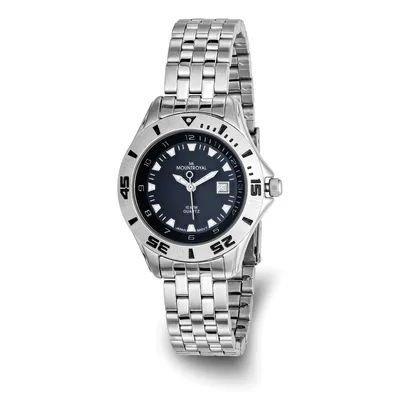
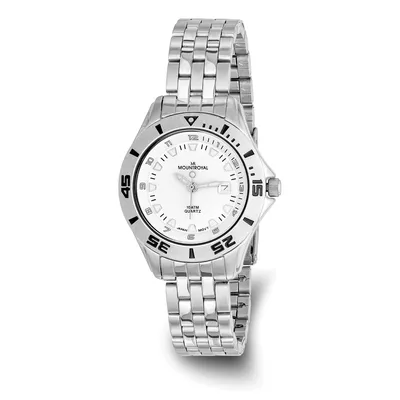
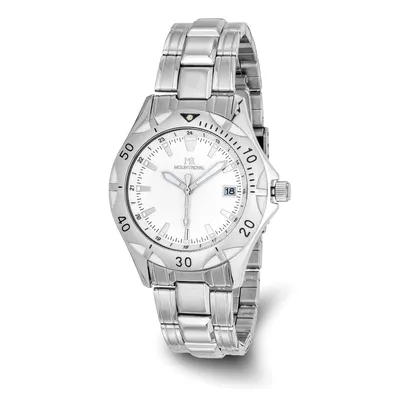
Quartz runs on a battery, keeps the most accurate time and needs almost no attention. Automatic is mechanical and winds itself from the movement of your wrist. Hand-wound mechanical needs you to wind it, usually once a day.
The three types side by side
| Quartz | Automatic | Hand-wound | |
|---|---|---|---|
| Power | Battery | Your wrist's movement | You wind the crown |
| Typical accuracy | Within seconds a month | Within seconds a day | Within seconds a day |
| Seconds hand | Often ticks once a second | Sweeps smoothly | Sweeps smoothly |
| Regular task | New battery every few years | Wear it, or wind it after a rest | Wind it, usually daily |
These are typical figures, and they vary from watch to watch. Your watch's instructions are the best guide to what it can do.
How quartz works
A battery sends a small current through a tiny piece of quartz crystal, which vibrates at a very steady rate. A circuit counts those vibrations and moves the hands. There are few moving parts, which is why quartz watches are accurate and need so little from you.
Choose quartz if you want to put a watch on and not think about it, or if you wear a watch only now and then. It keeps running in a drawer until the battery runs out.
How automatic works
Inside an automatic is a small weight called a rotor. As your wrist moves, it spins and winds the mainspring, and that spring slowly drives the gears and hands. No battery is involved.
Take an automatic off and it keeps running for a while, then stops once the spring runs down. Many run for about a day or two after coming off the wrist, though it depends on the watch. If you switch between watches, a watch winder can keep it running.
How hand-wound works
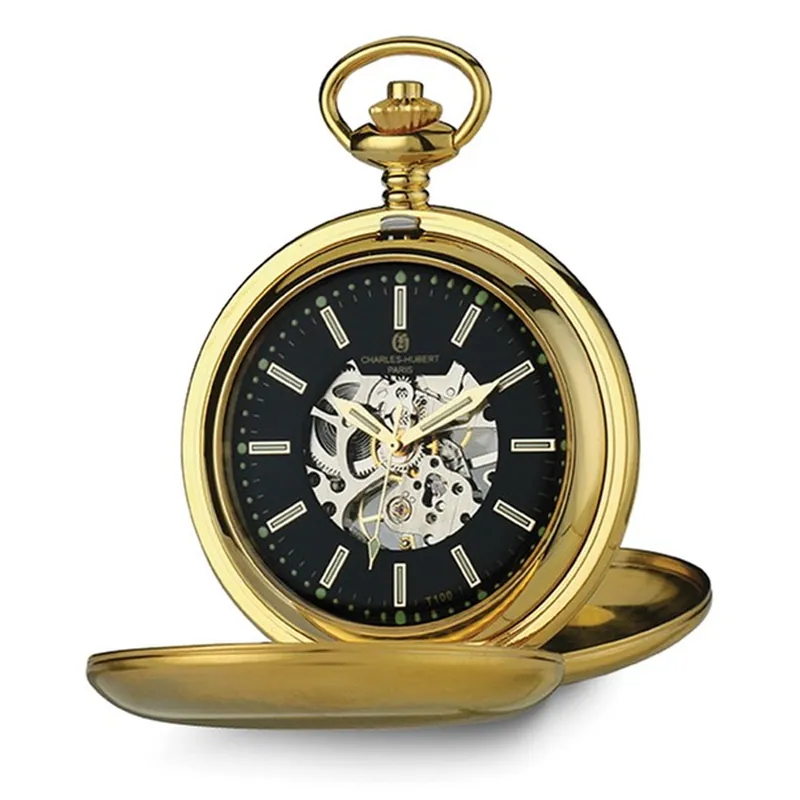
A hand-wound watch has a mainspring too, but no rotor, so you wind it by turning the crown. Many people enjoy that small daily routine. Most pocket watches with mechanical movements work this way, and our guide on winding and setting a pocket watch covers the steps.
Which one should you choose?
- Low effort and accuracy: quartz.
- Moving parts, no battery, worn most days: automatic.
- A daily ritual and a traditional feel: hand-wound, including many pocket watches.
Mechanical watches are also more sensitive to magnets and hard knocks than quartz, so they ask for a little more care. None of the three is simply better. It comes down to what you want from your watch each day.